- /
Perut Tenang, Kerja Fokus: Tips Pilihan Lebih Sehat Anti-Inflamasi Pakai Menu Lokal
Dr. Andrew Octovianus Wijaya
Sering merasa pikiran mendadak "lemot" atau brain fog? Masalahnya mungkin bukan di kepala, tapi di usus. Di tahun 2026 ini, riset makin membuktikan kalau usus itu "otak kedua" kita. Sekitar 95% hormon bahagia (serotonin) diproduksi di perut. Kalau usus kamu meradang gara-gara salah makan, suasana hati dan fokus kamu pasti ikut berantakan.
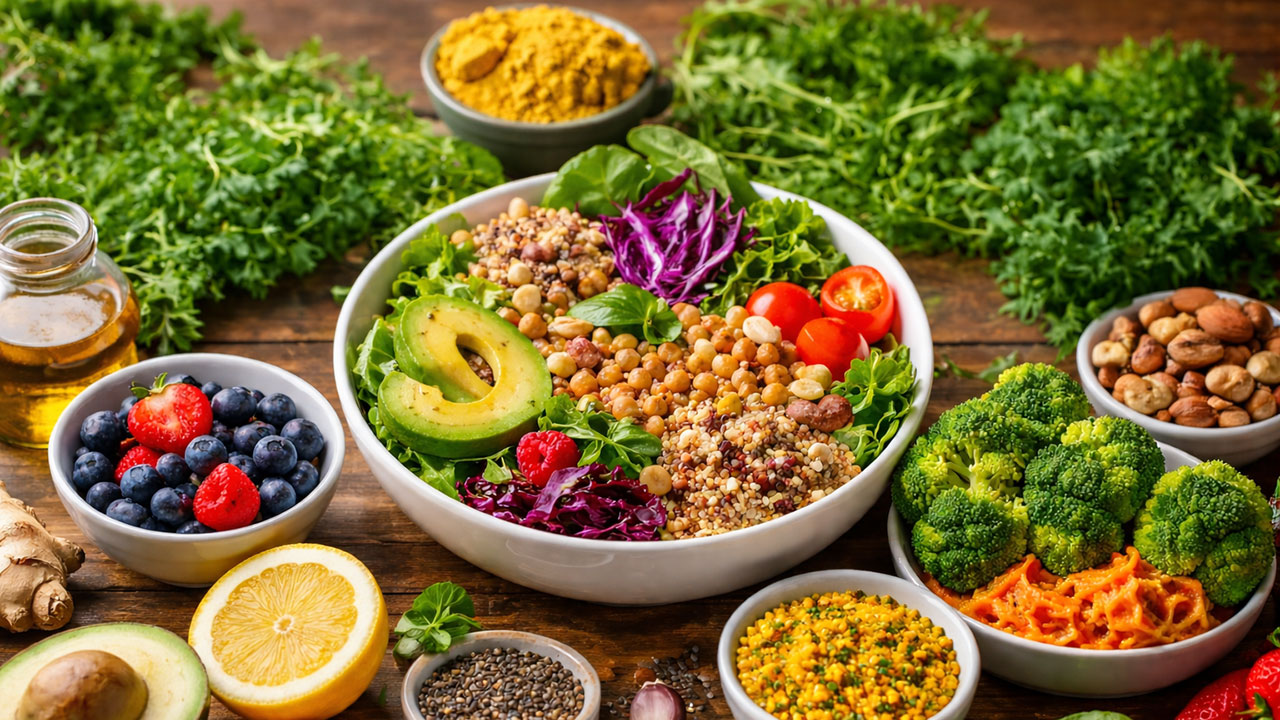
Cara ngatasinnya nggak harus mahal. Kamu bisa pakai Diet Anti-Inflamasi berbasis pangan lokal:
- Tempe & Tapai: Makanan fermentasi asli Indonesia ini punya probiotik yang kuat buat jagain bakteri baik di usus.
- Kekuatan Kunyit: Zat kurkumin di kunyit adalah musuh alami peradangan. Penting banget buat nangkis efek buruk polusi yang bikin imun gampang drop.
- Camilan Utuh (Whole Foods): Hindari makanan kemasan tinggi pengawet (Ultra-Processed Food). Penelitian di The Lancet nunjukin kalau makin tinggi konsumsi makanan kemasan, tingkat kecemasan seseorang bakal makin tinggi.
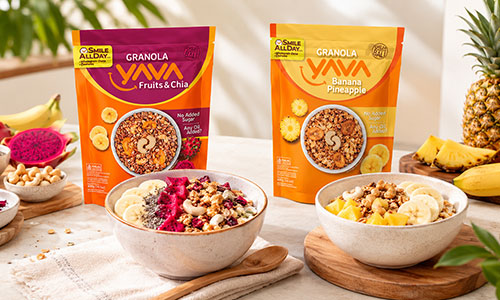
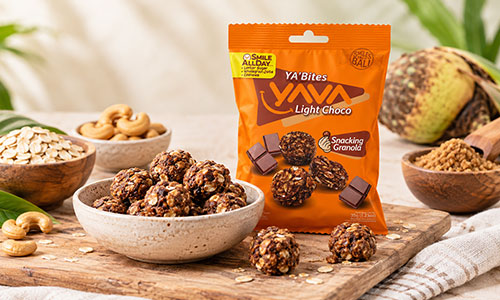
Solusi Praktis untuk Ngemil: Kadang yang susah itu cari camilan sehat pas lagi sibuk di kantor. Daripada jajan gorengan, sedia YA'Bar di tas kamu. Bar ini dibuat dari bahan-bahan utuh pilihan dan pakai Gula Lontar yang rendah glikemik. Selain bagus buat pencernaan karena seratnya, YA'Bar ngasih kamu energi lebih lama buat lanjut kerja tanpa bikin perut terasa begah atau berat.
Rawatlah ususmu dengan makanan yang jujur, karena dari sanalah kesehatan mental dan fisikmu bermula.
Baca Juga: Nutrisi yang benar bakal ngebantu banget pas kamu praktekin Biohacking 2026.
Sumber Data: