- /
Bukan Kurang Motivasi, Diam-Diam Ini yang Bikin Pola Makan Sehat Sulit Konsisten

Bukan Kurang Motivasi, Diam-Diam Ini yang Bikin Pola Makan Sehat Sulit Konsisten
Retno Yunita Sari, S.Gz.
Banyak orang merasa gagal menjalani pola makan sehat karena menganggap dirinya “kurang niat” atau “kurang motivasi”. Tak heran, setiap awal bulan atau awal tahun, kita kembali menyusun niat baru untuk makan lebih sehat, berharap kali ini bisa bertahan lebih lama.Namun, meski motivasi sudah dikumpulkan berulang kali, pola makan sehat sering kali tetap berhenti di tengah jalan. Lalu, sebenarnya apa yang membuat perubahan ini sulit bertahan?
Masalahnya sering kali bukan pada motivasi, melainkan pada tidak adanya sistem dan konsistensi yang mendukung perubahan tersebut.
Motivasi Bukan Fondasi Utama Perubahan Pola Makan
Motivasi memang penting sebagai langkah awal. Ia memberi dorongan untuk mulai, misalnya mencoba sarapan lebih seimbang atau mengurangi makanan tinggi gula. Namun, motivasi bersifat sementara dan mudah naik turun, dipengaruhi oleh suasana hati, tingkat stres, kelelahan, hingga kesibukan harian.
Ketika perubahan pola makan hanya mengandalkan motivasi, maka saat motivasi menurun, perilaku sehat pun ikut menghilang. Di sinilah banyak orang terjebak: merasa gagal, padahal yang dibutuhkan bukan motivasi tambahan, melainkan konsistensi yang dibangun lewat sistem.
Konsistensi: Kunci Terbentuknya Kebiasaan Sehat
Konsistensi adalah kemampuan melakukan tindakan yang sama secara berulang dalam jangka panjang, meski tanpa dorongan emosi yang kuat. Dalam konteks pola makan sehat, konsistensi berarti:
- makan dengan pola yang teratur,
- memilih makanan yang seimbang,
- dan membuat pilihan yang relatif sama dari hari ke hari.
Penelitian menunjukkan bahwa kebiasaan tidak terbentuk dalam hitungan hari. Studi tentang pembentukan kebiasaan menemukan bahwa rata-rata seseorang membutuhkan sekitar 2–5 bulan hingga sebuah perilaku menjadi otomatis, tergantung pada individu dan kompleksitas kebiasaan tersebut. Artinya, perubahan pola makan membutuhkan pengulangan yang konsisten, bukan semangat sesaat.
Mengapa Tanpa Konsistensi Pola Makan Sulit Bertahan?
-
Perilaku Tidak Pernah Menjadi Otomatis
Jika makan sehat hanya dilakukan saat “lagi niat”, tubuh dan pikiran tidak pernah belajar menjadikannya rutinitas. Akibatnya, setiap hari terasa seperti perjuangan baru. -
Mudah Kembali ke Pola Lama
Tanpa sistem yang jelas, kita cenderung kembali ke kebiasaan lama yang lebih familiar dan mudah, terutama saat lelah atau sibuk. -
Muncul Rasa Gagal yang Tidak Perlu
Gagal konsisten sering disalahartikan sebagai kurang disiplin, padahal masalahnya ada pada pendekatan yang terlalu mengandalkan motivasi.
Cara Praktis Membangun Konsistensi Pola Makan Sehat
- Makan dengan pola teratur
Biasakan makan 3 kali sehari pada jam yang relatif sama. Pola yang konsisten membantu tubuh mengenali ritme makan dan mengurangi keinginan ngemil berlebihan. - Lengkapi setiap waktu makan
Pastikan setiap makan mengandung sumber karbohidrat, protein, lemak sehat, sayur, dan buah. Pola ini membantu rasa kenyang lebih lama dan menjaga energi tetap stabil. - Siapkan camilan sehat di antara waktu makan
Camilan sehat membantu mencegah rasa lapar berlebihan yang sering berujung pada pilihan makanan impulsif. - Minum air putih yang cukup
Kebutuhan cairan yang tercukupi membantu fungsi metabolisme dan mencegah rasa lapar palsu.
Buat sistem, bukan aturan kaku
Alih-alih menetapkan larangan ekstrem, fokuslah pada kebiasaan kecil yang bisa dilakukan setiap hari secara realistis.
Makanan Sehat yang Praktis Membantu Konsistensi
Salah satu tantangan terbesar dalam menerapkan pola makan sehat adalah keterbatasan waktu dan akses. Oleh karena itu, memilih makanan enak DAN sehat yang praktis dan mudah diakses sangat membantu menjaga konsistensi.
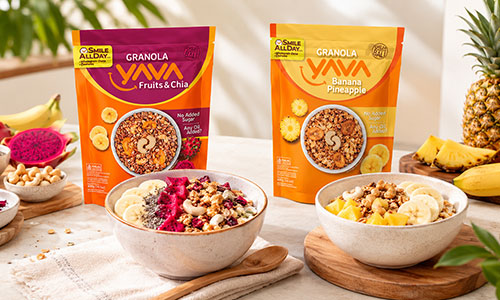
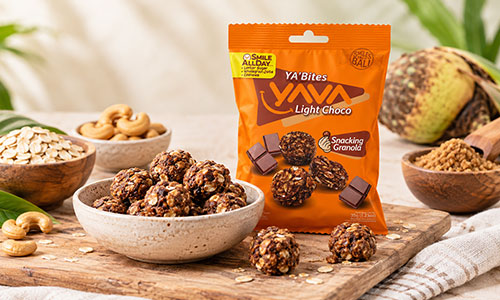
Menyiapkan bahan makanan sejak awal, menyimpan buah potong, memilih camilan berbahan dasar biji-bijian utuh, atau menyediakan snack enak DAN sehat seperti YAVA di tas dan meja kerja adalah contoh sistem sederhana yang membuat pilihan sehat menjadi lebih mudah, bahkan saat motivasi sedang menurun.
Penutup
Menjalani pola makan sehat bukan tentang seberapa besar motivasi di hari pertama, melainkan seberapa konsisten kebiasaan itu dijalani setiap hari. Motivasi bisa memulai perubahan, tetapi konsistensi yang dibangun lewat sistemlah yang membuat perubahan tersebut bertahan.
Dengan pola yang teratur, pilihan makanan yang seimbang, serta dukungan makanan sehat yang praktis, pola makan sehat dapat menjadi bagian alami dari kehidupan sehari-hari bukan lagi sesuatu yang terasa berat untuk dijalani.
Sumber dan Referensi:
- A Systematic Review and Meta-Analysis of Health Behaviour Habit Formation and Its Determinants
- Overview of habit formation timeline and research by Phillippa Lally (University College London)
- Summary of research on how long healthy habits take to form