- /
How to Prevent & Manage Acid Reflux Flare-Ups
Editor: Dr. Andrew Octovianus Wijaya, Danastry Intan
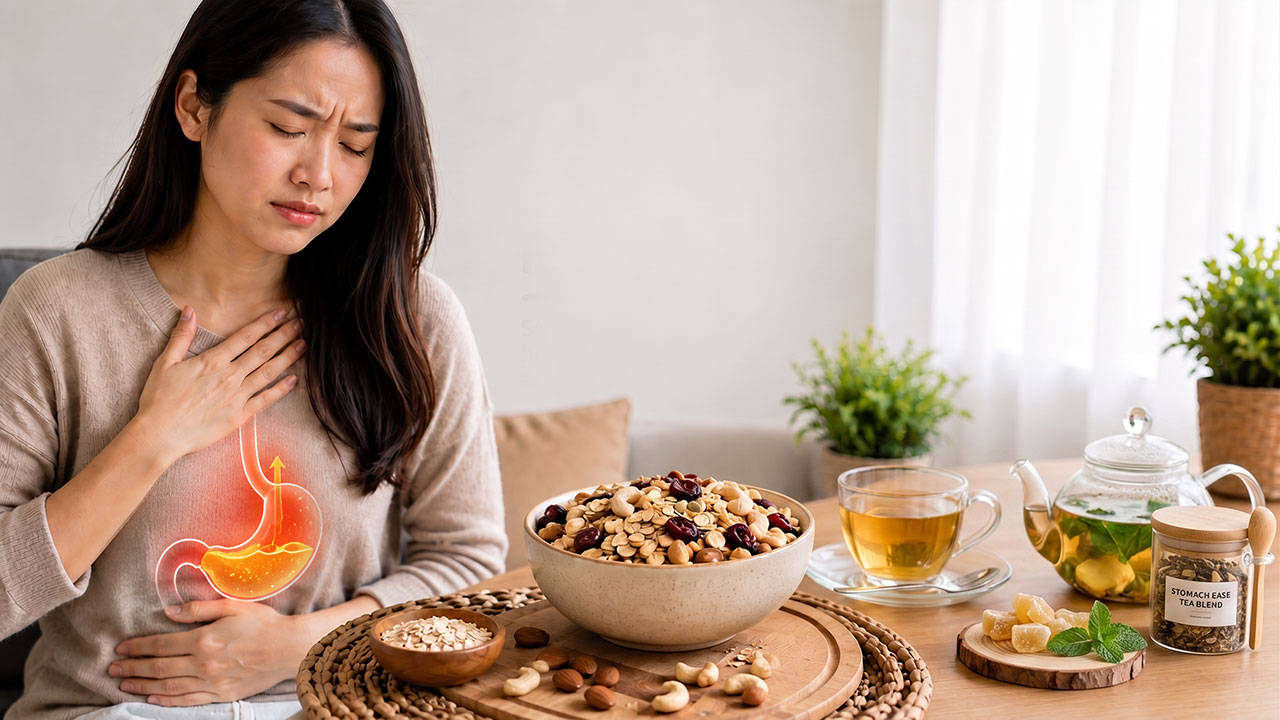
Acid reflux, commonly known as gastroesophageal reflux disease (GERD), is a condition that can often interfere with daily activities. Symptoms vary and may include a burning sensation in the chest (heartburn), nausea, bloating, frequent burping, a feeling of something stuck in the throat, and a sour or bitter taste in the mouth.
This condition occurs when the ring of muscle at the bottom of the esophagus (the lower esophageal sphincter) becomes weak or relaxes too often, allowing stomach acid to flow back up into the esophagus. One of the biggest contributing factors is an irregular lifestyle and eating pattern.
3 Key Steps to Prevent Acid Reflux from Recurring
To help prevent acid reflux from recurring, you can follow these simple preventive measures:
1. Manage Your Meal Schedule & Portion Sizes
- Eat Smaller, More Frequent Meals: Eating large portions can make the stomach work harder and become overly full, increasing pressure that pushes stomach contents back toward the esophagus. Try eating smaller portions more frequently, such as 4–5 times a day.
- Don't Skip or Delay Meals: Leaving your stomach empty for too long may contribute to excess stomach acid and trigger discomfort or nausea.
- Chew Slowly: Eating slowly and taking your time allows the initial stages of digestion in the mouth to work more effectively.
2. Identify and Limit Trigger Foods
Everyone has different sensitivities, but the following foods and beverages may commonly trigger or worsen acid reflux symptoms:
- Greasy foods, fried foods, and foods high in saturated fat.
- Very spicy or acidic foods.
- Coffee, carbonated beverages, and chocolate.
Tip: Keep a daily food diary to identify which foods are most likely to trigger your symptoms.
3. Avoid Lying Down Immediately After Eating
- Give Yourself Time: Wait at least 2–3 hours after eating before lying down or going to sleep. Staying upright allows gravity to help keep stomach acid in the stomach.
- Adjust Your Sleeping Position: If symptoms frequently occur at night, elevate your head and upper chest by approximately 15–20 cm while sleeping.
Choosing Acid-Reflux-Friendly Snacks
Snacking between meals is still possible, as long as you choose foods that are less likely to trigger acid reflux. Here are some guidelines:
- Choose Low-Fat, Non-Fried Foods: High-fat foods take longer to digest and remain in the stomach longer, which may contribute to increased acid reflux symptoms.
- Choose Natural Sweeteners & Avoid Excessively Acidic Foods: Avoid packaged snacks with very acidic flavors or excessive amounts of refined sugar.
- Control Your Portions: Keep snack portions moderate so you do not overfill your stomach.
Other Lifestyle Changes to Support Digestive Health
In addition to managing your diet, the following habits can help support long-term digestive health:
- Manage Stress Effectively: Chronic stress can increase the sensitivity of the digestive system to stomach acid and digestive discomfort.
- Maintain a Healthy Weight: Excess abdominal fat can put additional pressure on the stomach.
- Wear Loose-Fitting Clothing: Avoid clothing or belts that are too tight around the waist and abdomen.
Medical Disclaimer: This article is intended for general health education and informational purposes only and should not replace diagnosis, counseling, or medical advice from an internal medicine specialist or registered dietitian. If you experience severe or persistent acid reflux symptoms, severe chest pain, or difficulty swallowing, seek medical attention promptly at the nearest healthcare facility.
Source: