- /
Lontar Sugar: A Sap-Based Sweetener with a Distinct Flavor
Editor: dr. Andrew Octovianus Wijaya, Danastry Intan
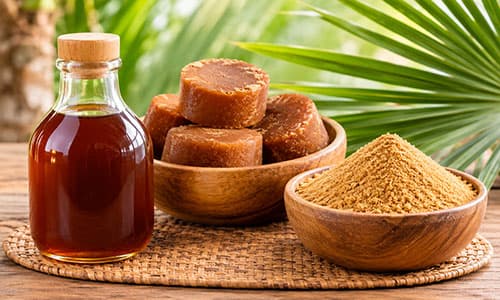
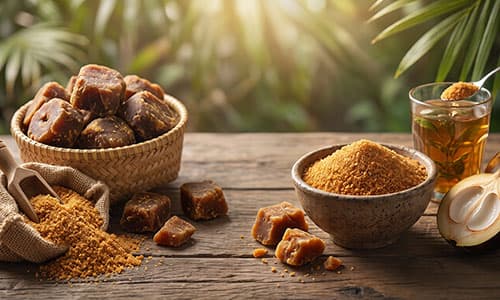
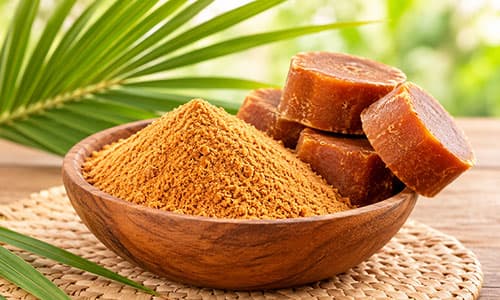
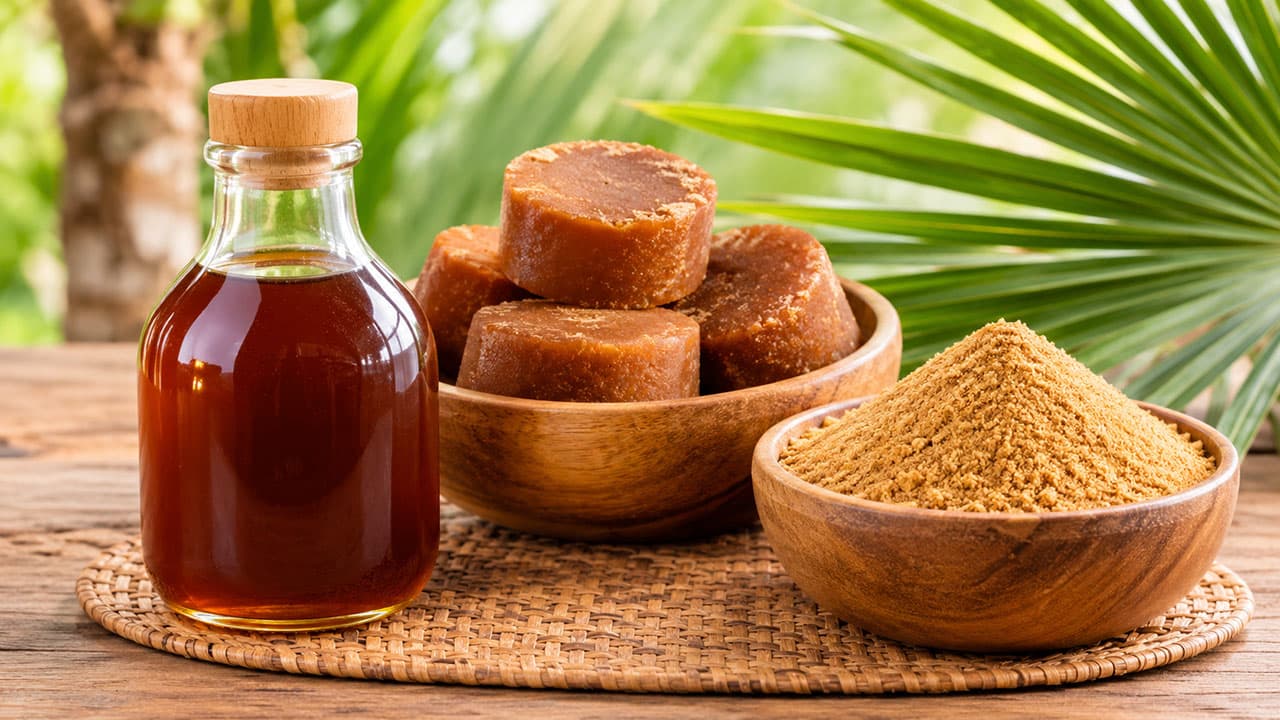
Lontar sugar (gula lontar) is a natural sweetener derived from the sap of the lontar palm tree (Borassus flabellifer), also widely known as the palmyra palm or siwalan tree. In the market, this sap is processed into various forms, including liquid sugar (syrup), molded sugar (traditional blocks), and granulated sugar (gula semut).
In addition to imparting a signature brownish color, lontar sugar is highly sought after for its unique sweet flavor with caramel aromas when incorporated into porridge, pastries, sauces, and daily beverages.
Understanding the Nutritional Content of Lontar Sugar
The primary components of lontar sugar are simple sugars consisting of sucrose, glucose, and fructose:
- Energy Source: Sucrose, glucose, and fructose provide natural sweetness while supplying calories for body metabolism.
- Variation in Moisture Content: Nutritional concentration and moisture levels vary depending on the product form (liquid sugar has a higher moisture content compared to granulated sugar).
- Micronutrient & Antioxidant Content: Laboratory testing detects the presence of minerals, vitamins, and phenolic compounds exhibiting antioxidant activity.
Medical Note (Antioxidant Benefits):
The presence of antioxidant compounds in laboratory testing does not automatically prove that consuming lontar sugar can prevent chronic diseases. Lontar sugar should be viewed as a flavor-rich alternative sweetener rather than a primary source of vitamins or a herbal remedy.
Glycemic Index (GI) Dynamics: Is It Always Low?
The Glycemic Index (GI) measures how rapidly a carbohydrate-containing food raises blood sugar levels post-consumption:
- Variation in Test Results: Several studies report the GI value of lontar sugar to fall within the 49–54 range (low category). However, tests on lontar syrup formulations can demonstrate GI values around 62 (medium category).
- Processing Factors: GI values are strongly influenced by the product format, degree of processing, and the composition of other foods consumed alongside it.
Therefore, GI values cannot be generalized across all lontar sugar products. Portion size (glycemic load) remains the primary key to maintaining blood sugar stability.
What Is the Safe Daily Consumption Limit?
Lontar sugar added to food or drinks is classified as free sugar:
- WHO Guidelines: The World Health Organization (WHO) recommends limiting free sugar intake to less than 10% of total daily energy intake (equivalent to <50 grams or about 4 tablespoons per day on a 2,000 kcal diet).
- Additional Benefits: Further reducing intake to under 5% (<25 grams/day) provides more optimal metabolic benefits.
- Diabetes Context: Individuals with diabetes must still account for lontar sugar within their daily carbohydrate allowance.
Enjoying the natural sweetness of lontar sugar now feels safer, more convenient, and nutritious to support your daily balanced diet.
*Disclaimer: The information in this article is intended for health education based on scientific literature and does not replace medical advice, diagnosis, or treatment from a doctor or professional nutritionist.
Source:
- Sustainable Processes and Chemical Characterization of Natural Food Additives: Palmyra Palm (Borassus Flabellifer Linn.) Granulated Sugar, Huynh Thi Le D., (2020), https://www.mdpi.com/675368
- Healthy diet, World Health Organization, (2024), https://www.who.int/news-room/fact-sheets/detail/healthy-diet
- Palm sap sugar an unconventional source of sugar exploration for bioactive compounds and its role on functional food development, Sarkar T., et al. (2023), https://pmc.ncbi.nlm.nih.gov/articles/PMC10073893/