- /
A Balanced, Budget-Friendly, and Delicious Healthy Diet Menu for Beginners
Editor: dr. Andrew Octovianus Wijaya, Danastry Intan
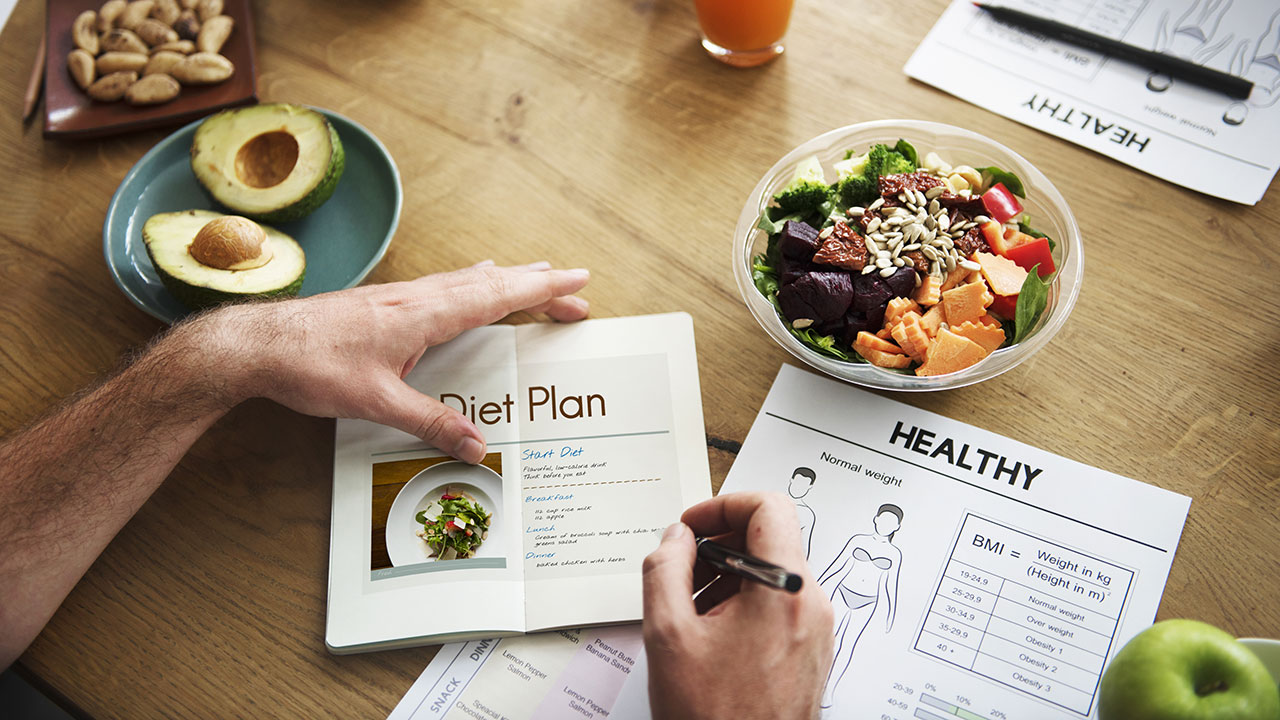
Starting a healthy diet does not have to be expensive or complicated. The main key is portion control, choosing simple ingredients, and maintaining eating consistency. For beginners, a highly nutritious daily menu is actually very easy to assemble from affordable local ingredients found at traditional markets or nearby convenience stores.
To maintain energy and manage hunger throughout the day, choose foods rich in fiber and protein. Below are recommendations for affordable daily menu variations you can try:
| Mealtime | Simple Menu Options | Nutritional Focus |
| Breakfast | • Oatmeal + banana • Boiled egg + whole wheat bread • Portion-controlled rice + egg + vegetables |
Complex carbohydrates, Fiber, & Protein |
| Lunch | Portion-controlled rice + Skinless chicken / Tofu / Tempeh + Vegetables (spinach, water spinach, carrots, or cabbage) | Moderate protein, High fiber, & Measured carbohydrates |
| Dinner | • Vegetable soup + egg • Stir-fried vegetables + tofu • Small portion of rice + protein side dish |
Light protein & Fiber (easy to digest before sleep) |
| Snack | Fresh local fruit (banana, papaya, apple, or orange) | Vitamins, Minerals, & Natural Fiber |
Portion Tip: You do not need to eliminate white rice completely. Simply adjust the portion to your daily activity level, then increase your servings of vegetables and protein side dishes. Beyond food choices, beverage options are also crucial for supporting a healthy diet—ensure plain water remains your primary beverage and ideally limit high-sugar drinks.
To keep your diet plan budget-friendly for the family, apply the following practical strategies:
- Create a Weekly Shopping List: Plan your menu for the week before shopping to prevent buying unused ingredients (food waste).
- Cook at Home: Cooking sufficient quantities is far more economical than purchasing ready-to-eat meals.
- Prioritize Local Produce: Take advantage of seasonal local fruits and vegetables, as they tend to be cheaper and fresher.
- Avoid 'Diet' Label Traps: Do not be tempted to buy expensive products just because they are labeled "for diet." What matters most is whole food quality, nutritional balance, and portion control.
Snacks can still be enjoyed during a diet, as long as portions are controlled. To ensure your snacks support your health goals, pay attention to the following criteria when selecting packaged options:
- Baked Processing Method: Choose baked snacks over fried ones to limit excess saturated fat intake.
- Rich in Fiber & Whole Grains: Prioritize whole grain-based ingredients like oats, red rice, sorghum, or nuts/legumes.
- Natural Ingredients: Limit snacks containing high amounts of preservatives, MSG, and synthetic sweeteners or colorings.
Medical Disclaimer:This article is prepared for general health education and informational purposes only and cannot replace diagnosis, counseling, or medical advice from a doctor or registered dietitian. Always consult a healthcare professional regarding your specific health condition and nutritional needs.
Source: