- /
13 Rekomendasi Sarapan Pagi Sehat dan Bikin Produktif
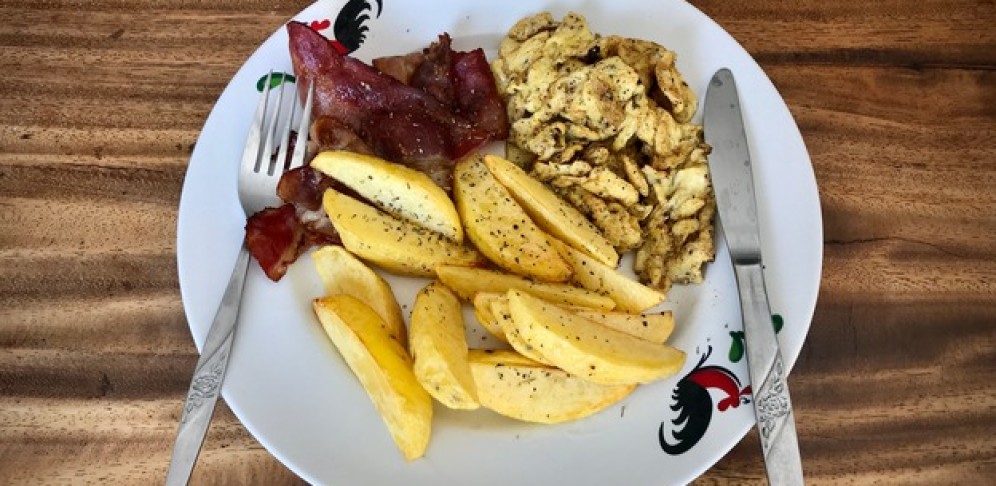
Tahukah Anda? Sarapan pagi sehat yang seimbang dengan porsi yang tepat akan memberikan manfaat jangka panjang bagi kesehatan secara keseluruhan, membantu menjaga berat badan ideal, mengatur tingkat gula darah, dan memenuhi kebutuhan nutrisi esensial.
Para ahli gizi menggarisbawahi pentingnya sarapan karena ia berperan sebagai "bahan bakar" awal yang merangsang metabolisme. Dengan memilih sarapan yang berkualitas, seseorang dapat merasakan dampak positif pada produktivitas dan kualitas hidup sehari-hari.
Masih enggan sarapan? Simak rekomendasi 13 pangan menarik cocok untuk sarapan, berikut ini!
Apa Itu Sarapan?
Sarapan merupakan tindakan penting yang melibatkan mengonsumsi makanan pertama pada pagi hari setelah tubuh beristirahat semalaman. Ini adalah momen saat tubuh memulai proses pengisian ulang energi dan nutrisi yang diperlukan untuk menjalankan berbagai fungsi biologis.
Nutrisi yang diperoleh dari sarapan, seperti serat, protein, vitamin, dan mineral, memberikan dasar yang kuat untuk meningkatkan daya konsentrasi serta memaksimalkan kinerja fisik dan mental.
Manfaat Sarapan Dan Alasan Untuk Tidak Menghindari Sarapan Pagi
Manfaat Sarapan:
- Energi dan Nutrisi Awal: Sarapan memberikan tubuh dengan energi dan nutrisi yang dibutuhkan setelah berpuasa semalaman. Ini membantu mengaktifkan sistem pencernaan dan menghidupkan metabolisme.
- Peningkatan Konsentrasi: Makan pagi meningkatkan fokus dan konsentrasi. Nutrisi yang diserap membantu otak berfungsi optimal, memengaruhi produktivitas dan kemampuan belajar.
- Pengendalian Berat Badan: Sarapan yang seimbang membantu mengatur nafsu makan sepanjang hari, mencegah keinginan makan berlebihan saat makan siang atau makan malam.
- Peningkatan Kinerja Fisik: Sebuah sarapan yang kaya protein dan karbohidrat kompleks dapat meningkatkan performa fisik, baik dalam olahraga maupun aktivitas harian.
- Regulasi Gula Darah: Sarapan membantu menjaga tingkat gula darah yang stabil, mencegah lonjakan dan penurunan tajam yang dapat mempengaruhi mood dan energi.
Alasan untuk Tidak Menghindari Sarapan Pagi:
- Asupan Nutrisi: Menghindari sarapan dapat menyebabkan kekurangan nutrisi penting yang diperlukan untuk pertumbuhan dan fungsi tubuh.
- Risiko Penambahan Berat Badan: Melewatkan sarapan dapat memicu keinginan makan berlebihan saat makanan pertama kali dikonsumsi, meningkatkan risiko penambahan berat badan.
- Pengaruh Terhadap Konsentrasi: Tanpa sarapan, konsentrasi dan daya tahan kognitif bisa menurun, berdampak pada pekerjaan dan aktivitas sehari-hari.
- Pengaruh Metabolisme: Menghindari sarapan dapat memperlambat metabolisme, yang bisa memengaruhi pembakaran kalori dan penurunan berat badan.
- Pengaruh Kesehatan Umum: Kebiasaan menghindari sarapan dapat meningkatkan risiko masalah kesehatan jangka panjang, seperti gangguan metabolisme dan penyakit jantung.
Nutrisi Yang Penting Dalam Menu Sarapan Sehat
Nutrisi yang penting dalam menu sarapan sehatî adalah zat gizi utama yang sebaiknya ada dalam makanan yang dikonsumsi di pagi hari, agar tubuh mendapatkan energi dan nutrisi yang cukup untuk memulai aktivitas sehari-hari. Sarapan sehat bukan hanya sekadar mengisi perut, tapi juga mendukung fungsi otak, metabolisme, dan keseimbangan hormon sepanjang hari.
- Karbohidrat Kompleks: Sumber karbohidrat kompleks seperti roti gandum, oatmeal, atau sereal utuh memberikan energi bertahan lama dan membantu menjaga kadar gula darah stabil.
- Protein: Protein membantu membangun dan memperbaiki jaringan tubuh. Telur, yoghurt rendah lemak, atau produk kedelai adalah pilihan protein yang baik.
- Serat: Serat membantu pencernaan dan membuat kenyang lebih lama. Buah-buahan, sayuran, dan biji-bijian adalah sumber serat yang bagus.
- Vitamin dan Mineral: Buah-buahan dan sayuran memberikan vitamin dan mineral esensial seperti vitamin C, vitamin A, kalium, dan magnesium.
- Lemak Sehat: Lemak sehat seperti lemak tak jenuh tunggal dan lemak tak jenuh ganda dapat ditemukan dalam alpukat, kacang-kacangan, dan minyak zaitun.
- Kalsium: Makanan yang mengandung kalsium, seperti susu rendah lemak atau sumber nabati yang diperkaya kalsium, penting untuk kesehatan tulang.
- Antioksidan: Buah-buahan dan sayuran yang kaya warna umumnya mengandung antioksidan yang membantu melawan radikal bebas dan menjaga kesehatan sel.
- B Vitamins: Sereal utuh dan produk sereal sarapan diperkaya sering mengandung vitamin B kompleks yang mendukung metabolisme dan fungsi saraf.
- Minyak Ikan: Jika memungkinkan, menambahkan sumber omega-3 seperti ikan berlemak (salmon, sarden) atau suplemen minyak ikan dapat mendukung kesehatan otak dan jantung.
Tips Memilih Sarapan Yang Baik Bagi Kesehatan
- Variasi Makanan: Pilihlah makanan dari berbagai kelompok nutrisi seperti karbohidrat, protein, serat, vitamin, dan mineral untuk memenuhi kebutuhan tubuh.
- Serat Tinggi: Pilih makanan yang kaya serat seperti oatmeal, biji-bijian utuh, buah-buahan, dan sayuran untuk menjaga pencernaan dan memberikan rasa kenyang lebih lama.
- Kurangi Gula Tambahkan: Hindari sarapan yang terlalu tinggi gula tambahan. Baca label nutrisi pada makanan siap saji dan pastikan jumlah gula tidak berlebihan.
- Sumber Protein: Pastikan ada sumber protein dalam sarapan Anda, seperti telur, yoghurt rendah lemak, atau produk kedelai. Protein membantu menjaga otot dan memberikan rasa kenyang.
- Pentingnya Lemak Sehat: Pilih lemak sehat dari sumber seperti alpukat, kacang-kacangan, dan minyak zaitun. Hindari makanan tinggi lemak jenuh.
- Buah-Buahan dan Sayuran: Sertakan setidaknya satu porsi buah-buahan atau sayuran dalam sarapan Anda. Ini memberikan vitamin, mineral, dan antioksidan penting.
- Cari Kalsium: Jika memungkinkan, pilih sumber kalsium seperti susu rendah lemak atau sumber nabati yang diperkaya kalsium.
- Pilihan Karbohidrat Baik: Pilih karbohidrat kompleks seperti roti gandum, sereal utuh, atau oatmeal daripada karbohidrat olahan yang tinggi gula.
- Kontrol Porsi: Perhatikan ukuran porsi Anda untuk menghindari makan berlebihan. Hindari menyantap makanan berkalori tinggi dalam porsi besar.
- Bebaskan Waktu: Jika waktu sarapan terbatas, pertimbangkan sarapan sederhana seperti smoothie yang mengandung berbagai nutrisi.
- Hindari Makanan Cepat Saji: Usahakan untuk menghindari makanan cepat saji yang cenderung tinggi lemak jenuh, gula tambahan, dan garam berlebih.
- Minuman: Pilih minuman yang sehat seperti air putih, teh herbal, atau jus buah tanpa tambahan gula.
- Persiapan Terlebih Dahulu: Jika Anda sibuk, persiapkan bahan-bahan untuk sarapan sehat di malam hari agar lebih mudah saat pagi hari tiba.
Ragam Pilihan Sarapan Sehat
Granola
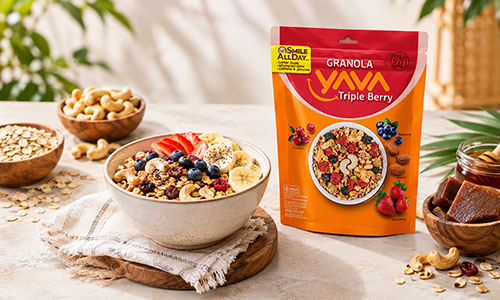
Granola adalah kombinasi makanan yang terdiri dari biji-bijian seperti oats, gula alami, minyak sehat, dan pilihan tambahan seperti kacang-kacangan, biji-bijian, atau potongan buah kering, campuran ini kemudian dipanggang hingga renyah. Kini varian sarapan sehat ini tersedia dalam kemasan praktis, higienis, lezat dan bergizi, apalagi kalau bukan YAVA Granola.
YAVA Granola merupakan perpaduan nikmat dan ideal dari berbagai bahan makanan enak dan bernutrisi yang dapat dijumpai ó semua ini terpadu dalam tekstur yang menggoda. YAVA Granola menghadirkan campuran oat yang dipertemukan dengan bauran unik beras merah Bali yang telah diolah.
Kemudian diperkaya dengan kacang mede dan aneka buah-buahan kering (termasuk cokelat). Dicampur rata dan dipanggang hingga kematangan sempurna, YAVA menghadirkan kombinasi yang menakjubkan dari kenikmatan rasa, kenyamanan, dan nilai gizi!
Cara Menyajikan Granola:
- Granola dengan Yogurt ñ Sajikan granola dengan yogurt plain dan beri tambahan buah segar seperti berry atau pisang untuk sarapan bergizi.
- Granola dalam Smoothie ñ Tambahkan granola ke dalam smoothie bowl atau smoothie untuk rasa yang lebih kaya dan tekstur yang renyah.
- Granola dengan Susu ñ Sajikan granola dengan susu rendah lemak atau susu nabati untuk sarapan sehat yang cepat.
Kacang Mede
Kacang mede, juga dikenal sebagai mede atau cashew nut dalam bahasa Inggris, adalah jenis kacang-kacangan yang berasal dari pohon mede (Anacardium occidentale). Kacang ini tumbuh di bagian ujung buah dari pohon mede dan memiliki rasa yang gurih dan manis.
Terlebih lagi kacang mede dari Karangasem Bali yang memiliki cita rasa manis dan lembut, yang secara alami berkat tanah vulkanik tempat mereka tumbuh.
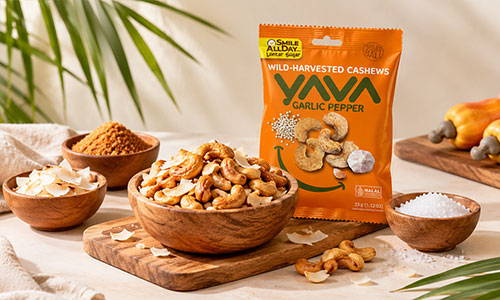
Kacang mede divariasikan menjadi panganan sehat nan lezat dalam YAVA Cashews yang dapat disantap sebagai cemilan maupun campuran makanan lainnya. Nutrisi terbaik dari kacang mede juga dapat dibaur dalam kesatuan Yava Granola menjadi hidangan yang lezat, mengandung sejumlah nutrisi termasuk lemak tak jenuh, protein, serat, vitamin B, magnesium, zat besi, dan zink.
Cara Menyajikan Kacang Mede dalam Sarapan:
- Granola dan Kacang Mede ñ Tambahkan kacang mede dalam granola atau oatmeal untuk mendapatkan tambahan lemak sehat dan rasa gurih.
- Smoothie ñ Masukkan kacang mede ke dalam smoothie bowl atau smoothie untuk menambah tekstur dan kandungan protein.
- Campuran Buah Kering dan Kacang ñ Sajikan kacang mede bersama buah kering (seperti cranberry atau kismis) untuk camilan sehat yang kaya serat.
- Topping untuk Yogurt ñ Taburkan kacang mede yang sudah dipanggang ringan pada yogurt dengan buah-buahan segar untuk sarapan yang kaya gizi.
Sorgum
Sorgum (Sorghum bicolor) adalah tanaman biji-bijian yang termasuk dalam keluarga rumput-rumputan (Poaceae). Ini adalah salah satu tanaman biji-bijian penting secara global dan merupakan salah satu tanaman pangan utama di berbagai daerah di dunia.
Sorgum memiliki nilai gizi yang baik, mengandung karbohidrat, serat, protein, vitamin, dan mineral seperti zat besi dan magnesium. Karena sorgum bebas gluten, ini juga menjadi alternatif yang baik bagi mereka yang memiliki sensitivitas atau alergi terhadap gluten. Sorgum dapat Anda temui dalam varian YAVA berupa Granola Puffs dan Krispi Puffs.
Cara Menyajikan Sorgum dalam Sarapan:
- Sorgum Salad ñ Rebus biji sorgum dan campurkan dengan sayuran segar, kacang-kacangan, dan dressing ringan untuk salad yang kaya serat dan gizi.
- Sorgum Oatmeal ñ Gunakan sorgum yang sudah dimasak sebagai pengganti oatmeal. Tambahkan susu, madu, buah segar, dan kacang-kacangan untuk sarapan yang sehat.
- Pancake Sorgum ñ Gunakan tepung sorgum sebagai bahan dasar pancake bebas gluten, campurkan dengan telur, susu, dan sedikit pemanis alami seperti madu.
- Sorgum dalam Smoothie ñ Tambahkan sorgum yang sudah dimasak ke dalam smoothie untuk mendapatkan tekstur lebih kental dan tambahan nutrisi yang mengenyangkan.
- Nasi Sorgum ñ Gantikan nasi putih dengan nasi sorgum sebagai pendamping hidangan sarapan seperti telur atau sayuran.
Telur
Telur juga merupakan sumber kualitas protein tinggi yang mengandung semua asam amino esensial yang diperlukan oleh tubuh. Selain itu, kuning telur juga mengandung lemak sehat, seperti lemak tak jenuh dan asam lemak omega-3, yang bermanfaat bagi kesehatan jantung dan fungsi otak.
Telur dapat dijadikan menu lezat bergizi untuk sarapan pagi, variannya tentu beragam seperti omlet, telur rebus, atau dapat pula dijadikan isian sandwich dan pendamping hidangan seperti granola.
Cara Menyajikan Telur dalam Sarapan:
- Telur Rebus ñ Telur rebus adalah cara yang cepat dan mudah untuk menikmati telur. Bisa dimakan langsung atau dijadikan salad.
- Telur Orak-Arik ñ Campurkan telur dengan sedikit susu atau keju dan masak dengan api kecil untuk membuat telur orak-arik yang lembut.
- Telur Dadar ñ Telur dadar bisa ditambahkan sayuran, keju, atau daging untuk sarapan yang lebih bergizi.
- Telur Benediktus ñ Untuk sarapan yang lebih mewah, coba telur benediktus dengan saus hollandaise dan roti panggang.
- Avocado Toast dengan Telur ñ Sajikan telur mata sapi atau telur orak-arik di atas roti gandum panggang dengan alpukat untuk sarapan sehat yang penuh gizi.
Oats
Oats juga dikenal sebagai sumber beta-glukan, jenis serat larut yang memiliki manfaat kesehatan. Beta-glukan dapat membantu mengurangi kadar kolesterol LDL (kolesterol jahat) dalam tubuh dan membantu menjaga kesehatan sistem pencernaan.
Oats juga sering digunakan sebagai sumber karbohidrat kompleks dalam sarapan, dan bisa diolah menjadi oatmeal panas atau dingin, serta digunakan dalam resep makanan lainnya seperti granola.
Cara Menyajikan Oats dalam Sarapan:
- Bubur Oats (Oatmeal) ñ Rebus oats dengan air atau susu, dan tambahkan topping seperti buah segar, kacang-kacangan, madu, atau biji chia.
- Overnight Oats ñ Campurkan oats dengan susu atau yogurt, biarkan semalaman di lemari es, dan nikmati pagi hari dengan buah atau granola.
- Oats Pancake ñ Gunakan oats yang dihaluskan atau tepung oats untuk membuat pancake bebas gluten.
- Smoothie Bowl dengan Oats ñ Campurkan oats ke dalam smoothie bowl untuk mendapatkan tekstur yang lebih kental dan lebih mengenyangkan.
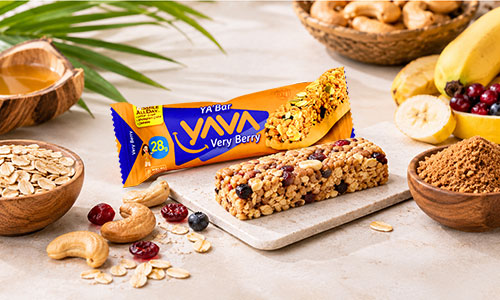
- Oats Bars ñ Buat granola bar atau energy bar dari oats dengan tambahan kacang-kacangan dan buah kering untuk camilan sehat.
Buah-Buahan
Memasukkan buah sebagai bagian dari sarapan dapat memberikan manfaat kesehatan yang besar. Buah-buahan kaya akan serat, vitamin, mineral, dan antioksidan yang penting bagi tubuh. Ada berbagai cara untuk menyajikan buah sebagai sarapan, seperti makan segar, menambahkannya pada yogurt atau oatmeal, atau membuat smoothie buah. Memadukan buah dengan sumber protein seperti yogurt atau telur juga dapat membantu menciptakan sarapan yang seimbang dan mengenyangkan.
Coba varian YAVA Granola Tropical Fruits yang didalamnya terdapat jenis buah tropical bergizi seperti pepaya, nanas, dan kacang mede, dipadukan dengan granola yang renyah. Selain itu ada YAVA Coconut Banana yang memadukan serpihan kelapa, pisang santan yang manis, sorgum yang ditaburi bubuk rosella, dan granola yang renyah, semuanya untuk membuat anda tersenyum lebar!
Sandwich / Roti Gandum Panggang
Siapa yang tidak kenal sandwich? Anda dapat dengan mudah menemukan kreasi menu sandwich dan membuat sandwich sesuai dengan selera Anda. Jika ingin mengurangi kalori, Anda bisa memilih daging rendah lemak, menghindari tambahan saus berlemak, dan memilih keju rendah lemak.
Dengan menambahkan sayuran segar, Anda juga memberikan nilai tambah serat dan nutrisi pada sarapan Anda. Ini adalah pilihan yang praktis dan cepat untuk mendapatkan sarapan yang lezat dan bergizi.
Contoh Sarapan Sandwich Sehat
Egg Avocado Sandwich;
- 2 potong roti gandum utuh
- 1 telur rebus
- 1/2 alpukat
- Selada dan tomat
Manfaat: Protein dari telur, lemak sehat dari alpukat, dan serat dari roti gandum dan sayuran.
Chicken Veggie Sandwich;
- 2 potong roti gandum utuh
- Daging ayam panggang
- Irisan mentimun, tomat, dan selada
- Mustard atau hummus
Manfaat: Protein dari ayam, serat dari sayuran dan roti gandum, serta rasa segar dari mustard atau hummus.
Peanut Butter & Banana Toast;
- 1 potong roti gandum panggang
- Selai kacang alami
- Irisan pisang
Manfaat: Protein dari selai kacang, karbohidrat sehat dari roti gandum, dan energi dari pisang.
Biji Chia
Biji chia, atau chia seed, adalah biji kecil yang berasal dari tanaman Salvia hispanica, yang termasuk dalam keluarga labiatae. Biji chia telah ditanam dan dikonsumsi oleh suku Maya dan Aztec di Meksiko selama berabad-abad sebagai bagian dari diet tradisional. Biji chia telah mendapatkan popularitas baru-baru ini karena dianggap sebagai "superfood" yang kaya akan nutrisi dan manfaat kesehatan.
Biji chia umumnya dikonsumsi dalam bentuk biji kering atau biji yang direndam dalam air atau cairan lainnya. Ketika direndam, chia seed akan membentuk lapisan gelatinous yang memberikan tekstur khas. Biji chia sering ditambahkan ke oatmeal, yogurt, smoothie, atau digunakan dalam resep makanan dan minuman untuk memberikan manfaat gizi tambahan.
Tips:
- Satu porsi cukup 1ñ2 sendok makan per hari untuk mendapatkan manfaat optimal.
- Bisa dipadukan dengan buah, susu, atau madu untuk menambah rasa dan nutrisi.
Jus Pisang
Jus pisang adalah pilihan sarapan yang lezat dan bergizi. Anda juga bisa mengekplorasi variasi dengan menambahkan bahan tambahan seperti yogurt, protein serbuk, atau buah-buahan lainnya ke dalam jus pisang. Jika ingin menciptakan jus yang lebih kaya serat, Anda juga bisa menambahkan sayuran hijau seperti bayam atau kale.
Jus pisang mengandung energi dari pisang, protein dari susu, serta berbagai nutrisi seperti vitamin B6, vitamin C, kalium, dan kalsium. Ini adalah cara yang cepat dan lezat untuk memulai hari dengan asupan gizi yang baik.
Tips:
- Untuk sarapan lebih lengkap, bisa ditambahkan oatmeal, chia seed, atau selai kacang ke dalam jus pisang agar kandungan protein dan serat lebih tinggi.
- Pilih pisang yang matang sempurna agar rasa manis alami maksimal tanpa gula tambahan.
Wafel
Wafel adalah makanan yang biasanya terbuat dari adonan tepung yang dicetak dalam cetakan khusus sehingga membentuk pola berulang. Gizi wafel dapat bervariasi tergantung pada bahan-bahan yang digunakan dalam pembuatannya, serta ukuran dan topping yang ditambahkan.
Perkiraan gizi umum untuk wafel standar (sekitar 70 gram) tanpa topping ialah sekitar 200-250 kalori (tergantung pada ukuran dan bahan-bahan), karbohidrat sekitar 30-40 gram, protein sekitar 4-6 gram, lemak sekitar 6-10 gram, serat sekitar 1-2 gram (tergantung pada jenis tepung yang digunakan), sejumlah kecil vitamin B, zat besi, kalsium, gula dan potasium.
Tips Menu Sarapan Wafel Sehat:
- Wafel gandum utuh + yogurt rendah lemak + potongan pisang + taburan biji chia.
- Wafel oat + selai kacang alami + blueberry segar.
Sereal
Sereal adalah makanan yang umumnya terbuat dari biji-bijian seperti gandum, jagung, atau beras, dan sering diolah menjadi bentuk yang siap saji. Nutrisi dalam sereal dapat bervariasi tergantung pada merek, jenis biji-bijian, tambahan bahan, dan ukuran saji.
Nilai gizi aktual dapat berbeda tergantung pada merek dan jenis sereal yang Anda pilih. Ketika memilih sereal, sebaiknya pilih sereal yang memiliki biji-bijian utuh sebagai bahan utamanya, memiliki sedikit tambahan gula, dan diperkaya dengan vitamin dan mineral penting.
Contoh Sereal Sehat untuk Sarapan:
- Sereal gandum utuh + susu almond + potongan buah segar (pisang, apel, atau beri).
- Oatmeal + yogurt + taburan kacang almond atau biji chia.
- Sereal oat + madu + irisan stroberi dan blueberry.
Yoghurt
Yogurt adalah produk olahan susu yang dihasilkan dengan fermentasi bakteri asam laktat pada susu. Proses fermentasi ini mengubah laktosa dalam susu menjadi asam laktat, memberikan tekstur khas dan rasa asam pada yogurt.
Yogurt adalah sumber makanan yang kaya akan nutrisi dan memiliki manfaat kesehatan, cocok dijadikan bahan pendamping untuk sarapan. Nutrisi dalam yoghurt diantaranya ada protein, kalsium, vitamin B, probiotik, lemak dan karbohidrat.
Cara Menyajikan Yogurt untuk Sarapan Sehat:
- Yogurt plain + buah segar (seperti blueberry, stroberi, atau pisang) + biji chia atau granola.
- Yogurt dengan madu dan kacang almond panggang untuk tambahan rasa manis dan protein.
- Yogurt dengan potongan buah, granola, dan taburan biji flax atau chia untuk sarapan bergizi lengkap.
Smoothies
Smoothie adalah minuman yang terbuat dari mencampurkan berbagai bahan seperti buah-buahan, sayuran, susu atau yogurt, dengan tambahan es batu atau es serut. Sarapan dengan smoothies sangat disarankan, mengingat banyaknya kandungan nutrisi dalam satu sajian. Anda bisa menambahkan protein serbuk, yogurt, biji chia, biji rami, madu, almond, atau bubuk spirulina untuk meningkatkan kandungan protein, vitamin dan mineral.
Contoh Resep Smoothies Sehat:
Green Smoothie
- 1 cangkir bayam
- 1 pisang
- 1/2 alpukat
- 1/2 cangkir yogurt plain
- 1 cangkir susu almond
- Es batu secukupnya
Manfaat: Kaya serat, vitamin, dan lemak sehat.
Berry Protein Smoothie
- 1/2 cangkir strawberry beku
- 1/2 cangkir blueberry
- 1 sendok protein powder (whey atau nabati)
- 1/2 cangkir susu kedelai
- 1 sendok teh biji chia
Manfaat: Sumber antioksidan, protein, dan serat.
Tropical Smoothie
- 1/2 cangkir nanas beku
- 1/2 cangkir mangga beku
- 1 pisang
- 1/2 cangkir yogurt kelapa
- 1/2 cangkir air kelapa
Manfaat: Vitamin C tinggi, menyegarkan, dan meningkatkan sistem imun.
Kesimpulan
Sarapan merujuk pada asupan makanan pertama di pagi hari setelah bangun tidur. Para ahli gizi menegaskan pentingnya sarapan untuk memberikan nutrisi dan energi awal, yang diperlukan oleh tubuh setelah puasa semalam.
Makanan pagi yang seimbang dan penuh gizi memiliki potensi untuk meningkatkan fokus, kinerja, serta kesejahteraan secara menyeluruh. Dengan memahami manfaat dan berharganya alasan untuk tidak mengabaikan sarapan, kita bisa lebih menghargai perannya yang tak terelakkan dalam menjaga kesehatan dan meningkatkan performa sehari-hari.
Penting untuk memvariasikan pilihan dalam rangkaian menu sarapan pagi sehat, dengan menggabungkan beragam jenis makanan dari berbagai kelompok nutrisi. Hal ini memastikan bahwa tubuh diberikan asupan nutrisi yang esensial untuk menghadapi hari dengan energi dan vitalitas yang optimal.
Menu sarapan yang disarankan sebaiknya menyediakan berbagai nutrisi yang penting, guna menghasilkan energi dan memenuhi kebutuhan tubuh. Mengambil keputusan bijak dalam memilih sarapan adalah langkah mendasar dalam menjaga kesehatan.
Dalam konteks modern, sarapan sehat tidak harus rumit atau mahal. Kunci utamanya adalah perencanaan yang sederhana, bergizi seimbang, dan sesuai dengan kebutuhan individu. Jika dilakukan secara konsisten, sarapan sehat akan menjadi fondasi penting bagi gaya hidup aktif dan bugar.
Sarapan sehat bukan sekedar hanya rutinitas saja, tapi investasi jangka panjang untuk kesehatan dan produktivitas. Pilih makanan yang tepat, atur porsi secara seimbang, dan jadikan sarapan sebagai bagian dari kebiasaan baik setiap hari.
Dengan memerhatikan pedoman yang telah diuraikan sebelumnya, Anda mampu merancang pilihan sarapan yang bermanfaat serta mendukung kesehatan secara keseluruhan.
Temukan produk sarapan sehat YAVA pada toko online kesayangan Anda: