- /
Daily Vitamin Needs
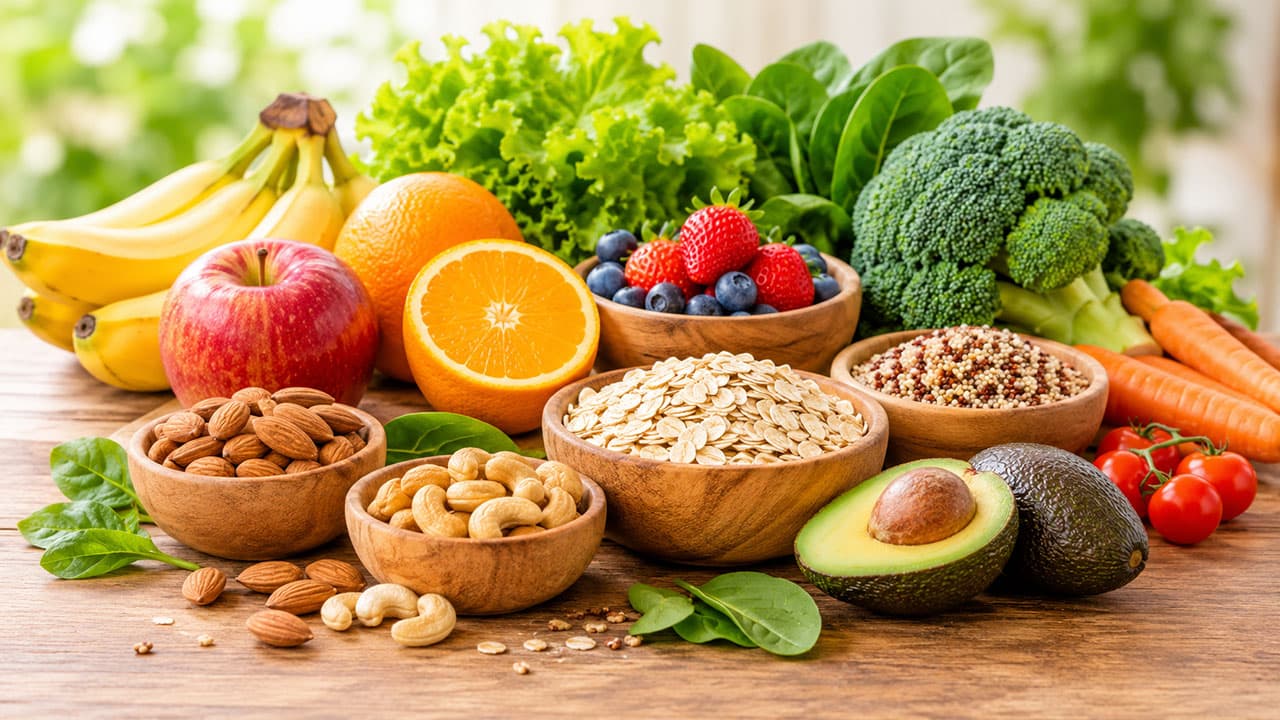
What Are They and How to Get Them from Food?
Editor: dr. Andrew Octovianus Wijaya, Danastry Intan
The body requires vitamins in very small amounts, yet their role is crucial for survival. Vitamins drive energy metabolism, maintain nervous system function, support red blood cell formation, and preserve the strength of bones and body tissues.
There are 13 essential vitamins divided into two main categories: fat-soluble vitamins (A, D, E, and K) and water-soluble vitamins (eight B-complex vitamins and vitamin C). Meeting daily requirements does not always depend on manufactured supplements; rather, it can be achieved through a varied and balanced diet.
Daily Recommended Dietary Allowance (RDA) for Adults
Below is the detailed daily Recommended Dietary Allowance (RDA) for adults aged 19–29 based on standards from the Ministry of Health of the Republic of Indonesia (Kemenkes RI), along with sample food sources:
A. Fat-Soluble Vitamins
| Vitamin | Men/Day | Women/Day | Sample Food Source |
| Vitamin A | 650 µg RE | 600 µg RE | Carrots, orange sweet potatoes, spinach, eggs |
| Vitamin D | 15 µg | 15 µg | Salmon, mackerel, egg yolks, fortified dairy products |
| Vitamin E | 15 mg | 15 mg | Almonds, sunflower seeds, cashews, vegetable oils |
| Vitamin K | 65 µg | 55 µg | Spinach, broccoli, leafy green vegetables |
B. Water-Soluble Vitamins
| Vitamin | Men/Day | Women/Day | Sample Food Source |
| B1 (Tiamin) | 1,2 mg | 1,1 mg | Whole grains, legumes, fish |
| B2 (Riboflavin) | 1,3 mg | 1,1 mg | Milk, yogurt, eggs, lean meats |
| B3 (Niasin) | 16 mg | 14 mg | Chicken, tuna, peanuts |
| B5 (Asam pantotenat) | 5 mg | 5 mg | Eggs, chicken, mushrooms, avocados |
| B6 (Piridoksin) | 1,3 mg | 1,3 mg | Fish, chicken, potatoes, bananas |
| B7 (Biotin) | 30 µg | 30 µg | Cooked eggs, fish, nuts, seeds |
| B9 (Folat) | 400 µg | 400 µg | Spinach, asparagus, legumes |
| B12 (Kobalamin) | 4 µg | 4 µg | Fish, meat, eggs, milk |
| Vitamin C | 90 mg | 75 mg | Oranges, bell peppers, kiwi, broccoli, tropical fruits |
*Unit Note: µg = microgram (1 mg = 1,000 µg). RE = Retinol Equivalent.
Primary Health Functions of Vitamins
Each vitamin fulfills specific and complementary physiological functions:
- Immune Protection & Vision (Vitamins A & C): Vitamin A maintains the retina and mucosal linings. Vitamin C plays a role in skin collagen synthesis and enhances non-heme iron absorption from plant-based foods.
- Bone Health & Blood Clotting (Vitamins D & K): Vitamin D facilitates calcium absorption in the gut, while Vitamin K controls blood coagulation and supports bone density.
- Antioxidant Protection (Vitamin E): Works to mitigate oxidative stress and protect cell membranes from free radical damage.
- Energy Metabolism & Nerve Function (B-Complex): B1, B2, B3, B5, B6, and B7 convert food into daily energy. Folate (B9) and Cobalamin (B12) play essential roles in DNA synthesis, red blood cell maturation, and maintaining brain and nerve function.
Medical Note (Vitamin D & B12 Require Special Attention):
- Vitamin D: Natural food sources are limited (primarily found in fatty fish). Exposure to morning sunlight assists in the natural synthesis of Vitamin D in the skin.
- Vitamin B12: Found naturally almost exclusively in animal-derived foods. Readers following a vegan diet should ensure adequate B12 intake through fortified foods or supplements as recommended by a physician or registered dietitian.
Practical Strategies to Meet Daily Vitamin Needs
Achieving your daily micronutrient targets naturally relies on the principle of food diversity:
- Vary Your Daily Menu: Combine different food groups throughout the day. For example, enjoy whole-grain oatmeal with fresh fruit for breakfast, fish with leafy greens for lunch, and a seed-and-nut mix for an afternoon snack.
- Understand Fortified Foods: Reading the nutrition facts label on cereal, milk, or snack packaging helps track additional vitamin intake.
- Convenient Whole-Food Nutrition: To support daily vitamin and mineral intake from natural ingredients, healthy choices like Granola and Cashews. Crafted from whole rolled oats, cashews rich in magnesium and Vitamin E, and fresh tropical fruits.
Note: Vitamin requirements for children, the elderly, pregnant women, and lactating mothers have different RDA standards. Supplement usage should be discussed with a qualified healthcare professional.
*Disclaimer: The information in this article is intended for health education based on scientific literature and does not replace medical advice, diagnosis, or treatment from a doctor or professional nutritionist.
Source:
- Peraturan Menteri Kesehatan Republik Indonesia Nomor 28 Tahun 2019 tentang Angka Kecukupan Gizi yang Dianjurkan untuk Masyarakat Indonesia, Kementerian Kesehatan Republik Indonesia, (2019), https://jdih.kemkes.go.id/view_detail.php?id=8077
- Dietary Supplement Fact Sheets: Vitamins and Minerals, National Institutes of Health (NIH) Office of Dietary Supplements, (2024), https://ods.od.nih.gov/factsheets/list-all/
- Healthy diet, World Health Organization, (2024), https://www.who.int/news-room/fact-sheets/detail/healthy-diet