- /
Ngemil Tanpa Rasa Bersalah: Snack Sehat untuk Kelola Emotional Eating
Ngemil Tanpa Rasa Bersalah: Snack Sehat untuk Kelola Emotional Eating
Retno Yunita Sari, S.Gz
Emotional Eating, Respon Alami terhadap Emosi
Pernahkah Anda tiba-tiba ingin ngemil padahal perut sedang tidak lapar?
Kondisi ini dikenal dengan emotional eating, yaitu kebiasaan makan yang muncul sebagai respon dari emosi yang disebabkan oleh stres, kelelahan, rasa sedih, bosan, atau rasa kesepian.
Saat emotional eating terjadi, tubuh cenderung ingin mengonsumsi makanan tinggi gula, garam, dan lemak dalam jumlah yang lebih banyak. Kecenderungan ini bukan disebabkan karena lapar, melainkan sebagai cara tubuh mencari rasa nyaman secara emosional.
Emotional eating merupakan hal yang wajar dan dialami oleh banyak orang. Namun, jika kebiasaan ini tidak dikelola dengan baik, kebiasaan ini dapat berdampak pada kesehatan, mulai dari kenaikan berat badan hingga gangguan metabolik.
Lapar Emosional, Pemicu Emotional Eating yang Perlu Dikenali
Lapar fisik menunjukkan bahwa tubuh membutuhkan energi. Biasanya, rasa lapar muncul secara bertahap, ditandai dengan perut keroncongan, dan rasa lapar akan hilang setelah makan. Berbeda dengan lapar fisik, lapar emosional muncul secara mendadak, craving terhadap jenis makanan tertentu, dan tidak merasa puas meski sudah makan, sehingga terus mencari makanan lain.
Dengan mengenali lapar emosional, kita dapat merespon rasa lapar dengan lebih sadar, sehingga kita bisa membedakan apakah tubuh sedang membutuhkan energi atau sedang merespon emosi.
Memilih Snack yang Tepat untuk Mengelola Emotional Eating
Saat mengalami emotional eating, kita tidak perlu menghindari atau melawan craving yang muncul, melainkan mengelolanya dengan bijak.
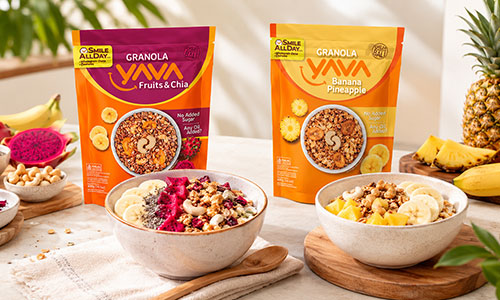
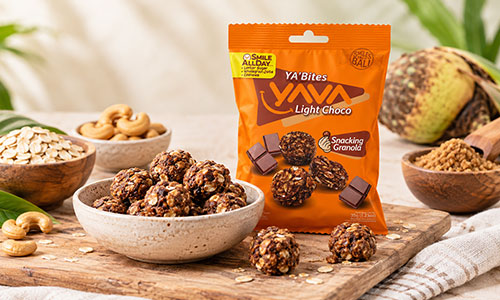
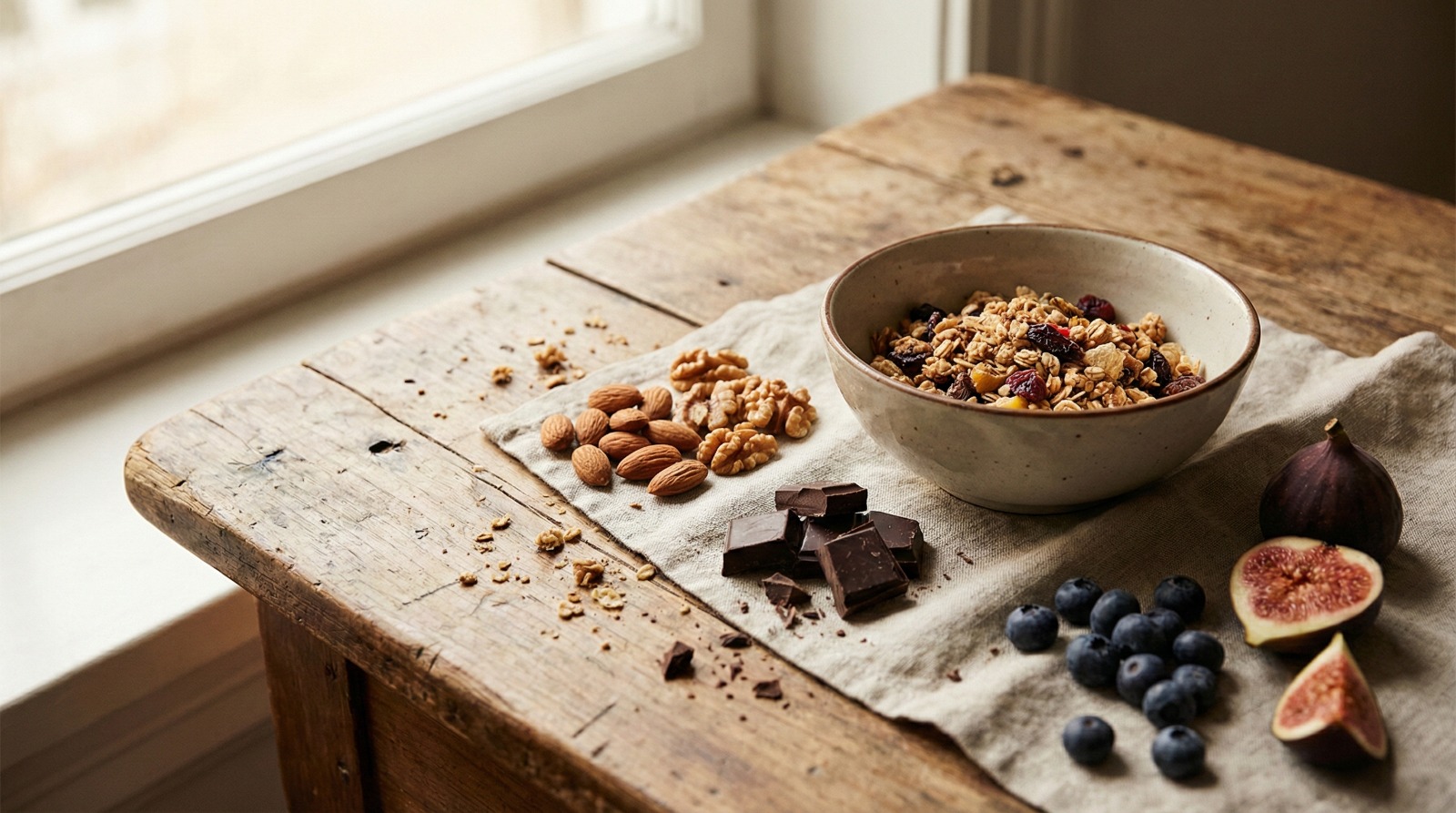
Memilih snack yang mengandung protein, serat, serta memiliki indeks glikemik rendah dapat menjadi pilihan yang lebih bijak. Kandungan dalam snack ini dapat membantu menjaga rasa kenyang lebih lama, sehingga mencegah makan berlebih selama emotional eating. Di sisi lain, rasa tetap menjadi hal penting karena berperan dalam memberikan sensasi puas saat ngemil, terutama saat emosi tidak stabil. Pilih snack dengan rasa enak alami yang terbuat dari bahan-bahan pilihan. Beberapa snack yang dapat Anda coba, antara lain, popcorn, kacang-kacangan, granola bar, buah, dan biji-bijian. Dengan memilih snack yang enak DAN sehat, craving tetap dapat terpenuhi tanpa harus disertai rasa bersalah setelahnya.
Emotional eating merupakan respon yang wajar saat mengalami emosi negatif. Dengan mengenali sinyal tubuh dan memilih respon yang bijak, momen ngemil bisa menjadi emotional support yang tetap nyaman untuk dinikmati. Di momen ini, YAVA hadir menemani, dan membantu Anda membuat pilihan yang lebih sadar dengan lebih mudah.
Sumber dan referensi:
- “Emotional eating in healthy individuals and patients with an eating disorder: evidence from psychometric, experimental and naturalistic studies.”
- Emotional Eating and Psychological Distress: Unveiling the Hidden Struggles of International Students in Surabaya
- Helping you with Emotional Eating
- How to Manage Stress Eating and Snack Smart at Home