- /
Glikemik Indeks: Apa Itu Dan Pengaruhnya Pada Pola Diet

Memahami faktor-faktor yang memengaruhi Glikemik Indeks (GI) merupakan langkah penting untuk membuat pilihan makanan yang cerdas guna menjaga stabilitas kadar gula darah dan mendukung pola makan yang sehat.
Selain itu, perlu ditekankan bahwa konteks dan kombinasi makanan dalam suatu hidangan juga memiliki peranan sentral dalam pengaruh GI. Menggabungkan makanan dengan kandungan serat, protein, dan lemak sehat dapat memengaruhi cara tubuh merespons karbohidrat dalam makanan.
Meskipun idealnya memilih makanan berdasarkan GI, tetapi juga tetap penting untuk mempertimbangkan nilai gizi serta dampak keseluruhan pada kesehatan secara holistik. Untuk lebih jelasnya, pelajari serba-serbi mengenai GI berikut ini!
Apa Itu Glikemik Indeks?
Glikemik Indeks (GI) adalah sistem penilaian yang mengukur seberapa cepat karbohidrat dalam makanan meningkatkan kadar glukosa dalam darah. Skala GI berkisar dari 0 hingga 100, di mana makanan dengan GI tinggi (di atas 70) cepat mengubah gula darah, menyebabkan lonjakan energi yang singkat dan kemudian diikuti oleh penurunan tajam. Ini bisa mengganggu pola makan dan berpotensi memicu masalah seperti resistensi insulin.
Sebaliknya, makanan dengan GI rendah (di bawah 55) diserap lebih lambat, menjaga kadar gula darah lebih stabil dan memberikan energi berkelanjutan. Makanan dengan GI rendah umumnya berasal dari sumber serat tinggi, seperti sayuran, biji-bijian utuh, dan beberapa jenis buah-buahan.
Pengenalan GI dalam pola makan dapat membantu mengelola berat badan, mengontrol diabetes, dan menjaga keseimbangan energi. Namun, perlu diperhatikan bahwa GI bukan satu-satunya faktor yang perlu dipertimbangkan dalam pemilihan makanan sehat.
Pembagian Kategori Glikemik Indeks Pada Makanan
Pembagian kategori Glikemik Indeks (GI) pada makanan digunakan untuk mengklasifikasikan seberapa cepat karbohidrat dalam makanan tertentu mempengaruhi kadar gula darah. Berdasarkan skala GI yang berkisar dari 0 hingga 100, pembagian kategori umumnya adalah:
Rendah (GI < 55)
Makanan dalam kategori ini dicerna secara lambat, merangsang peningkatan gula darah yang perlahan dan stabil. Ini menghindari lonjakan tajam di dalam energi dan membantu menjaga rasa kenyang lebih lama. Contohnya adalah sayuran non-starch seperti brokoli, kacang-kacangan, biji-bijian utuh, dan sebagian besar buah-buahan.
Sedang (GI 56-69)
Makanan dalam kategori ini memiliki efek sedang terhadap peningkatan gula darah. Ini dapat termasuk makanan seperti oatmeal, ubi jalar, dan beberapa jenis buah-buahan seperti pisang.
Tinggi (GI >= 70)
Makanan dalam kategori ini dicerna dengan cepat dan menyebabkan lonjakan tajam dalam gula darah. Konsumsi makanan dengan GI tinggi dapat mengganggu pengaturan gula darah dan berpotensi menyebabkan masalah seperti resistensi insulin. Contohnya adalah roti putih, nasi putih, makanan olahan tinggi karbohidrat, dan makanan manis.
Faktor-Faktor Yang Memengaruhi Glikemik Indeks
- Jenis Karbohidrat
Jenis karbohidrat dalam makanan memengaruhi GI. Karbohidrat sederhana seperti gula cenderung memiliki GI tinggi, sementara karbohidrat kompleks seperti serat dan pati resisten cenderung memiliki GI rendah.
- Tingkat Kematangan Makanan
Makanan yang matang lebih lama memiliki GI yang lebih rendah karena proses pematangan memecah karbohidrat menjadi bentuk yang lebih sulit dicerna.
- Kombinasi Makanan
Mengkombinasikan karbohidrat dengan protein, lemak sehat, dan serat dapat menurunkan GI makanan karena membantu memperlambat pencernaan dan penyerapan karbohidrat.
- Tingkat Pengolahan
Makanan olahan cenderung memiliki GI lebih tinggi karena proses pengolahan dapat merusak struktur karbohidrat alami, membuatnya lebih mudah dicerna.
- Keasaman Makanan
Makanan yang lebih asam cenderung memiliki GI yang lebih rendah karena keasaman memperlambat pencernaan.
- Ukuran Partikel
Partikel makanan yang lebih besar cenderung memiliki GI lebih rendah karena memerlukan waktu lebih lama untuk dicerna.
- Metode Memasak
Metode memasak dapat mempengaruhi GI. Misalnya, pasta yang dimasak lebih lama memiliki GI lebih rendah daripada pasta yang dimasak lebih singkat.
- Kombinasi Nutrisi
Kombinasi nutrisi dalam makanan, seperti serat dan lemak, dapat memperlambat penyerapan karbohidrat dan menurunkan GI.
- Varietas Makanan
Varietas dalam jenis makanan dapat memengaruhi GI. Misalnya, beberapa jenis beras memiliki GI lebih tinggi daripada yang lain.
- Individu
Respon individu terhadap makanan dengan GI yang sama bisa bervariasi berdasarkan metabolisme, tingkat aktivitas, dan faktor genetik.
Saran Glikemik Indeks Untuk Penderita Diabetes
Bagi penderita diabetes, memperhatikan Glikemik Indeks (GI) dalam pemilihan makanan sangat penting. Disarankan untuk memilih makanan dengan GI rendah, seperti sayuran non-starch, biji-bijian utuh, dan buah-buahan dengan serat tinggi, karena ini membantu menjaga kadar gula darah lebih stabil. Mengombinasikan karbohidrat dengan protein, serat, dan lemak sehat dapat memperlambat penyerapan karbohidrat dan mengurangi lonjakan gula darah.
Hindari makanan olahan tinggi karbohidrat dengan GI tinggi seperti roti putih dan makanan manis, serta perhatikan ukuran porsi. Pengawasan ketat terhadap pola makan, monitoring kadar gula darah, dan konsultasi dengan profesional kesehatan adalah langkah penting dalam mengelola diabetes dengan mempertimbangkan Glikemik Indeks makanan sehari-hari.
Jika Tidak Mengidap Diabetes, Apakah Perlu Memerhatikan Glikemik Indeks?
Meskipun tidak mengidap diabetes, memperhatikan Glikemik Indeks (GI) dalam pola makan masih memiliki manfaat. Memilih makanan dengan GI rendah dapat membantu menjaga kadar gula darah tetap stabil dan mencegah lonjakan gula darah yang cepat. Ini berkontribusi pada energi yang lebih konsisten, membantu menjaga rasa kenyang lebih lama, dan mendukung pengaturan berat badan.
Memilih makanan dengan GI rendah juga dapat membantu mencegah risiko terjadinya resistensi insulin dan penyakit metabolik lainnya. Namun, perlu diingat bahwa GI bukan satu-satunya faktor yang harus diperhatikan dalam pemilihan makanan. Memperhatikan keseimbangan nutrisi, asupan serat, protein, lemak sehat, serta konsumsi sayuran dan buah-buahan masih merupakan komponen penting dalam menjaga pola makan yang sehat secara keseluruhan.
Contoh Makanan Dengan Glikemik Indeks Rendah
- Brokoli
- Kubis
- Kacang hijau
- Biji-bijian utuh (seperti beras merah)
- Apel
- Pir
- Jeruk
- Alpukat
- Kacang polong
- Zucchini
Contoh Makanan Dengan Glikemik Indeks Sedang
- Oatmeal
- Ubi jalar
- Jagung manis
- Pisang
- Mangga
- Nasi basmati
- Roti gandum
- Couscous
- Kentang
- Quinoa
Contoh Makanan Dengan Glikemik Indeks Tinggi
- Roti putih
- Nasi putih
- Kentang goreng
- Mi instan
- Gula olahan (misalnya, permen dan minuman manis)
- Cornflakes
- Tepung terigu olahan
- Keripik kentang
- Beberapa jenis makanan ringan cepat saji
- Sereal gula tinggi
Perlu diingat bahwa GI bisa bervariasi berdasarkan metode masak, kombinasi makanan, dan faktor individu. Penting juga untuk mempertimbangkan aspek nutrisi keseluruhan dan keseimbangan dalam pemilihan makanan Anda.
YAVA Sebagai Penyedia Makanan / Camilan Dengan Glikemik Indeks Rendah
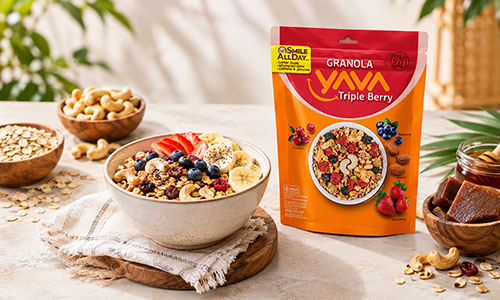
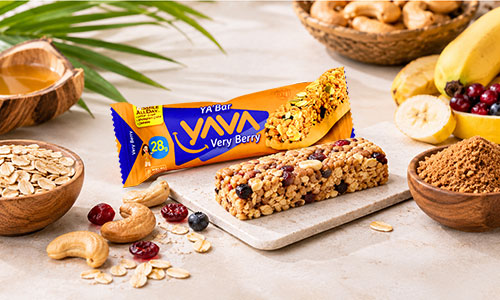
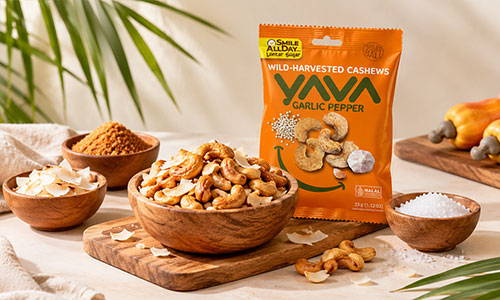
YAVA adalah penyedia makanan dan camilan yang memfokuskan pada penyajian produk dengan Glikemik Indeks rendah. YAVA menawarkan pilihan camilan yang mencakup granola, kacang mete, popcorn, dan krispi puffs yang terbuat dari bahan-bahan alami yang diperoleh dari berbagai wilayah di Indonesia timur.
Produk-produk ini didesain untuk menjaga stabilitas kadar gula darah dan memberikan alternatif sehat yang lezat. Dengan bahan-bahan dari alam, tanpa gula alkohol atau gula buatan, tanpa pengawet, dan tanpa MSG. YAVA menghadirkan keanekaragaman rasa yang enak dan sehat, sangat ermanfaat bagi pola makan Anda. Tetaplah memperhatikan informasi nutrisi dan pertimbangkan saran profesional kesehatan sebelum membuat perubahan signifikan dalam diet Anda.
Bingung mencari makanan rendah gula? Temukan produk makanan rendah gula dari YAVA pada toko online kesayangan Anda: