- /
Emotional Eating: Hal Wajar yang Perlu Dikelola dengan Sadar dan Seimbang

Emotional Eating: Hal Wajar yang Perlu Dikelola dengan Sadar dan Seimbang
Retno Yunita Sari, S.Gz
Emotional eating adalah momen ketika kita makan, bukan karena tubuh butuh nutrisi, melainkan karena emosi yang sedang dirasakan. Bisa karena sedih, cemas, atau senang. Jika Anda pernah mengalaminya, hal itu sangat wajar karena emotional eating dapat dialami siapa saja, dan kapan saja.
Bagaimana Stres Dapat Memicu Emotional Eating
Dari berbagai pemicu yang ada, stres merupakan salah satu pemicu yang paling umum. Stres bisa muncul karena tekanan kerja, konflik, atau kelelahan mental berkepanjangan yang kerap tidak disadari sebagai pemicu keinginan makan.
Saat stres, makanan sering dijadikan “coping mechanism” karena memberikan rasa nyaman dan menenangkan, meski sifatnya sementara. Akan tetapi, jika stres terus berlangsung, tubuh akan melepaskan kortisol dalam jumlah tinggi dan membuat tubuh berada dalam mode “bertahan”, sehingga:
- Nafsu makan meningkat
- Craving makanan tinggi gula, garam, dan lemak
- Tubuh mencari energi cepat sebagai respon terhadap stres
Inilah sebabnya, saat emotional eating muncul, kita cenderung memilih makanan yang kurang sehat. Bukan karena tubuh yang kurang disiplin, tapi karena respon biologis tubuh.
Mengelola Emosi dan Craving Secara Sadar dan Seimbang
Memahami bahwa emosi dan perilaku makan saling terhubung merupakan langkah awal yang penting. Tujuannya bukan untuk melarang makan, melainkan untuk membentuk coping mechanism yang lebih sadar dan sehat. Dengan strategi yang tepat, Anda dapat mengelola emosi yang muncul tanpa harus merusak hubungan dengan makanan dalam jangka panjang. Berikut beberapa langkah yang dapat Anda coba:
- Kenali akar masalah
Emotional eating tidak hanya dipicu oleh masalah kecil sehari-hari, tapi juga oleh stres berkepanjangan atau emosi yang belum terkelola dengan baik. Oleh karena itu, perlu mengetahui pemicunya dan mencari solusi yang tepat. - Ketahui alasan makan
Sebelum memutuskan untuk makan, coba kenali tubuh Anda. Ketahui apakah Anda benar-benar lapar atau hanya ingin memakan sesuatu. Kadang, kita makan karena bosan atau lelah, bukan karena lapar fisik. Jika kita bisa mengenalinya, tentu kita bisa menghindari rasa bersalah setelah makan. - Ganti camilan dengan pilihan yang lebih seimbang
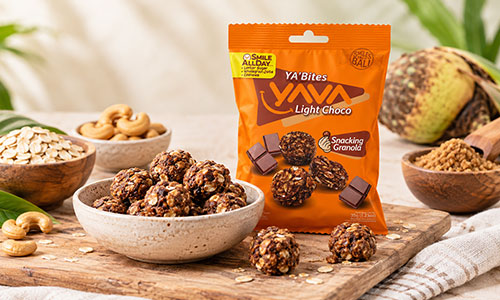
Lingkungan mempengaruhi pilihan makanan. Jika craving manis atau asin muncul, ganti dengan pilihan yang lebih sehat, misal mengganti camilan asin dengan popcorn atau kacang-kacangan serta mengganti camilan manis dengan buah segar atau granola bar. Pilihan ini tetap memberikan rasa nyaman, namun tetap bernutrisi, mengenyangkan, dan tidak memicu lonjakan gula darah penyebab craving selanjutnya. - Pilih makanan yang dapat menurunkan stres
Beberapa makanan mengandung senyawa yang dapat menurunkan stres. Anda dapat mencoba konsumsi green tea, matcha, kacang-kacangan dan biji-bijian, ikan, whole grain, buah, dan sayur.
Emotional eating merupakan bagian dari pengalaman makan. Dengan pendekatan yang lebih sadar dan seimbang, makanan dapat tetap menjadi sumber kenyamanan tanpa mengorbankan kesehatan dalam jangka panjang. YAVA percaya bahwa di setiap pilihan kecil yang bijak dapat menjadi langkah besar untuk mengelola emosi dan menjaga tubuh tetap sehat.
Sumber dan referensi: