- /
Alternatif Pemenuhan Karbohidrat yang Sehat
Dengan mempertimbangkan alternatif karbohidrat dalam makanan, pilihan makanan sehat, menu alternatif, dan keragaman makanan pengganti nasi dengan gizi terpenuhi, kita dapat mencapai keseimbangan diet yang lebih baik dan memperkaya pengalaman kuliner kita tanpa harus mengorbankan cita rasa atau kesehatan.
Makanan pengganti nasi telah menjadi perbincangan hangat dalam dunia kuliner dan kesehatan, terutama di tengah peningkatan kesadaran akan pentingnya memilih karbohidrat yang tepat dalam pola makan.
Menurut data terbaru dari Badan Kesehatan Dunia (WHO), sekitar 4,5 miliar orang di seluruh dunia mengkonsumsi nasi sebagai salah satu komponen utama dalam diet mereka. Namun, semakin banyak orang yang mencari alternatif yang lebih sehat dan bervariasi untuk menggantikan nasi dalam hidangan mereka.
Dalam artikel ini, kami akan menjelajahi berbagai pilihan makanan pengganti nasi yang tersedia, mulai dari sumber karbohidrat yang bervariasi hingga makanan tradisional dari berbagai budaya yang telah lama menjadi favorit di seluruh dunia.
Mari kita telaah berbagai pilihan yang dapat memperkaya hidangan kita dan memberikan manfaat kesehatan yang berharga.
Alternatif Karbohidrat dalam Makanan
Alternatif karbohidrat dalam makanan merupakan topik yang semakin relevan dalam konteks pola makan dan kesehatan masyarakat saat ini. Menggantikan sumber karbohidrat tinggi indeks glikemik dengan alternatif yang lebih rendah dapat membantu mengendalikan kadar gula darah dan menurunkan risiko penyakit kronis.
Banyak individu juga mencari alternatif karbohidrat yang sesuai dengan diet tertentu, seperti diet rendah karbohidrat, keto, atau diet bebas gluten. Ini menunjukkan bahwa pilihan makanan pengganti nasi tidak hanya relevan untuk kesehatan umum tetapi juga untuk berbagai preferensi diet.
Tidak hanya dari sudut pandang kesehatan, alternatif karbohidrat dalam makanan juga mencerminkan keragaman kuliner global. Banyak budaya telah lama mengkonsumsi makanan berbasis karbohidrat yang berbeda-beda, seperti quinoa dari Amerika Selatan, soba dari Jepang, atau bulgur dari Timur Tengah. Ini menunjukkan betapa kaya dan beragamnya pilihan makanan pengganti nasi yang dapat kita nikmati di seluruh dunia.
Pilihan Makanan Sehat Pengganti Nasi
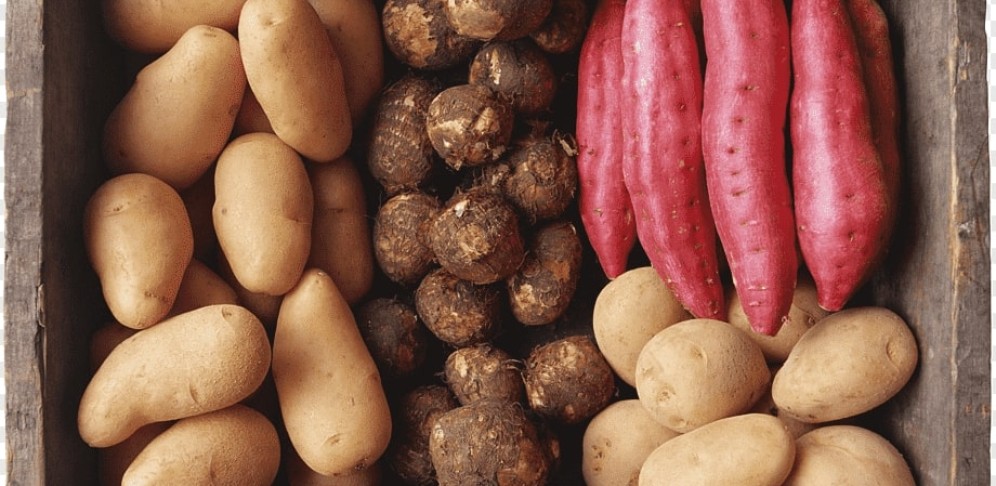
Di Indonesia, terdapat beberapa pilihan makanan sehat yang dapat dijadikan pengganti nasi dalam hidangan sehari-hari. Beberapa di antaranya termasuk:
1. Ubi Cilembu
Ubi cilembu adalah jenis ubi manis yang sangat populer di Indonesia. Ubi ini dapat diolah menjadi berbagai hidangan, seperti ubi cilembu panggang atau bubur ubi cilembu. Ini adalah sumber karbohidrat yang sehat dan kaya serat.
2. Kentang
Kentang merupakan alternatif karbohidrat yang serbaguna dan banyak digunakan dalam berbagai hidangan Indonesia. Kentang bisa diolah menjadi kentang tumbuk, atau dikombinasikan dengan berbagai bumbu dan sayuran.
3. Singkong
Singkong adalah sumber karbohidrat lain yang sering digunakan sebagai pengganti nasi di Indonesia. Singkong bisa diolah menjadi singkong rebus, atau digunakan dalam makanan tradisional seperti tape singkong.
Variasi Makanan Pengganti Nasi di Seluruh Dunia
Variasi makanan pengganti nasi di seluruh dunia sangat beragam, mencerminkan budaya kuliner yang unik di berbagai negara dan wilayah. Berikut adalah beberapa contoh variasi makanan pengganti nasi yang dapat ditemukan di seluruh dunia:
- Pasta (Italia): Pasta adalah sumber karbohidrat utama dalam masakan Italia. Varietas pasta yang berbeda seperti spaghetti, penne, dan fettuccine digunakan dalam berbagai hidangan pasta yang terkenal di seluruh dunia.
- Soba Noodle (Jepang): Soba adalah mie gandum Jepang yang sering digunakan dalam hidangan sup dan panggang. Ini adalah alternatif yang baik untuk nasi dalam masakan Jepang.
- Quinoa (Andes, Amerika Selatan): Quinoa adalah biji-bijian tinggi protein yang berasal dari Amerika Selatan, terutama ditanam di pegunungan Andes. Ini telah menjadi populer di seluruh dunia sebagai pengganti nasi yang sehat.
- Tortilla (Meksiko): Tortilla adalah roti tipis yang sering digunakan dalam masakan Meksiko. Mereka bisa digunakan untuk membuat burrito, taco, enchilada, dan banyak lagi.
- Buckwheat (Rusia): Buckwheat, atau gandum hitam, adalah sumber karbohidrat yang umum digunakan di masakan Rusia. Kasha adalah hidangan utama yang terbuat dari gandum hitam ini.
- Roti Pita (Timur Tengah): Roti pita adalah roti yang digunakan dalam berbagai hidangan Timur Tengah seperti falafel, shawarma, dan hummus.
- Sorgum (Sub-Sahara): Negara-negara seperti Nigeria, Sudan, Ethiopia, dan Kenya mengkonsumsi sorgum secara luas. Selain itu, sorgum juga memiliki peran penting dalam makanan di beberapa negara di Asia dan Amerika, seperti India dan Amerika Serikat.
- Oat (Skotlandia, Irlandia, dan Swedia): Di Skotlandia, misalnya, oatmeal adalah hidangan yang sangat umum dan menjadi bagian dari tradisi kuliner mereka. Oat kaya akan karbohidrat, serat pangan, vitamin dan mineral.
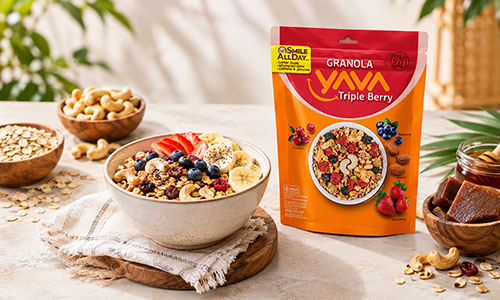
- Granola (Amerika Serikat): Granola adalah campuran biji-bijian, kacang-kacangan, buah kering, madu, atau sirup, yang sering digunakan sebagai camilan atau sarapan. Di Amerika Serikat, granola sering dianggap sebagai makanan sehat dan seringkali dikonsumsi dengan yogurt atau susu.
Banyaknya pilihan makanan mengandung karbohidrat diberbagai belahan dunia, membuka pintu bagi kita untuk menggali ragam bahan makanan yang sehat, seperti Sorgum.
Sorgum dikenal dapat membantu dalam memenuhi beragam kebutuhan diet, dan mengandung karbohidrat dalam bentuk pati, serat, dan gula. Selain itu, sorgum memiliki senyawa antioksidan seperti tanin, fenolik, dan antosianin, yang memiliki manfaat kesehatan potensial.
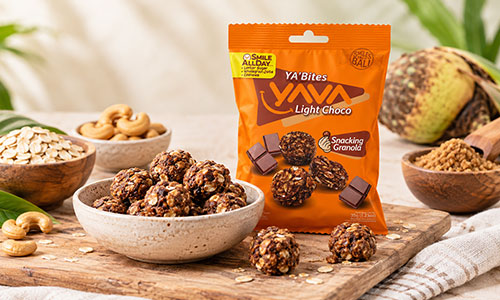
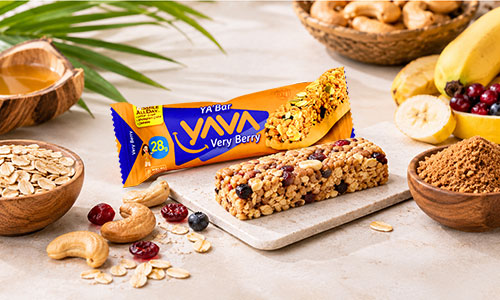
Sorgum yang enak dan lezat dapat kamu temukan dalam bentuk kudapan istimewa dari Yava, yakni Krispi Puffs Cacao dan Krispi Puffs Sweet Cashew. Sekarang ragam produk YAVA dapat ditemukan pada toko online kesayangan Anda:
Selalu konsultasikan dengan seorang profesional kesehatan atau ahli gizi sebelum membuat perubahan signifikan dalam diet Anda, terutama jika Anda memiliki kondisi medis tertentu atau perlu mengatasi kebutuhan gizi khusus.